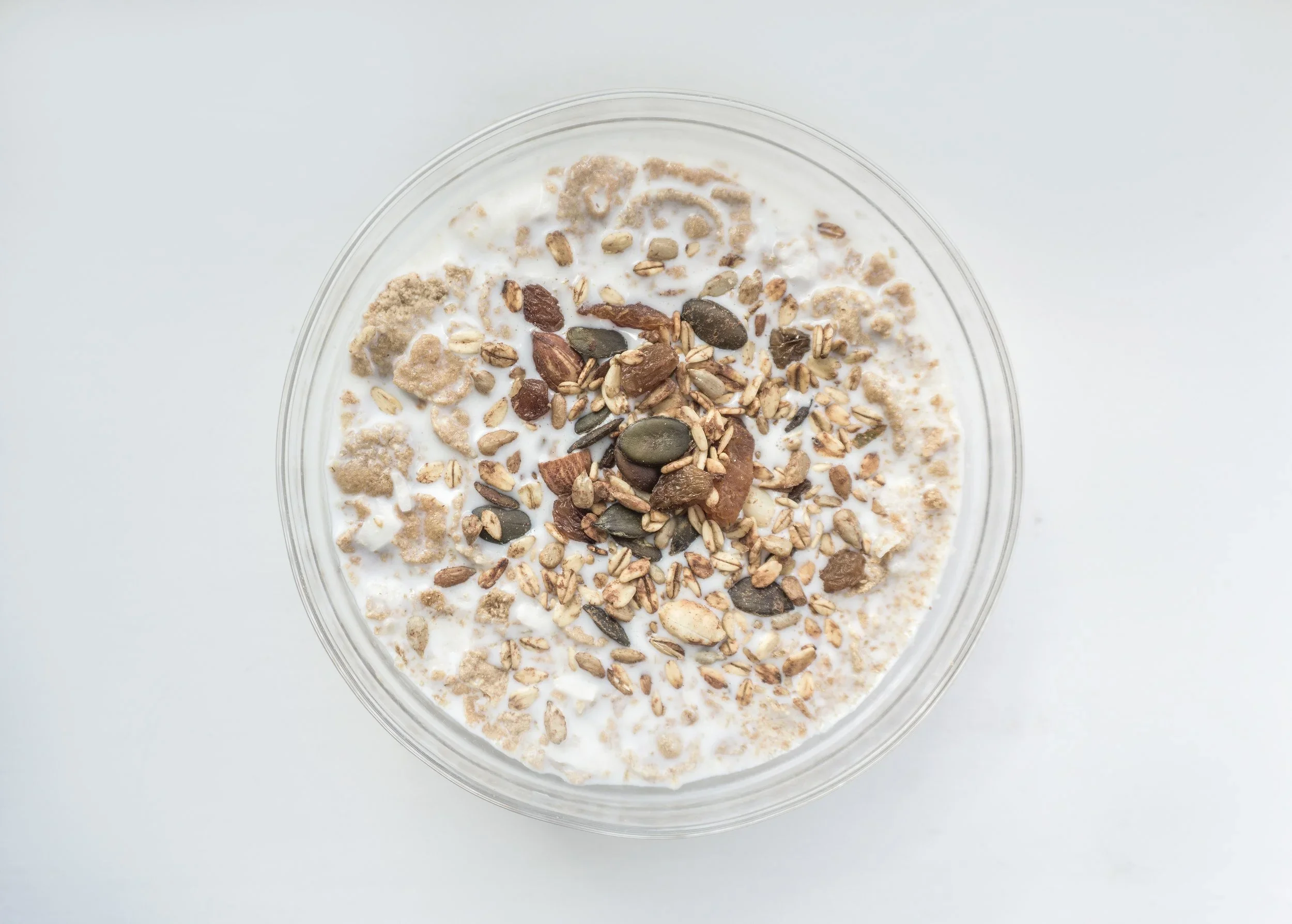
Guide to Slow-Burning Oatmeal
October 24, 2017
A delicious bowl of oatmeal warms you from the inside out. Oats are a great way to get a hearty breakfast without breaking the bank. These versatile whole grains work well either warmed in porridge, thrown into smoothies, baked into granola, or soaked in a batch of overnight oats. Let's take a minute to focus on oatmeal and the steps to create nutritionally balanced, flavorful combinations.
When made well, oatmeal can be tasty, filling, and nutritious. But when it's simply thrown together with brown sugar, we end up with a blood sugar disaster that leads to insulin spikes and hanger. Adding a portion of healthy fat and protein to each serving will support optimal digestion and blood sugar balance.
Oats are affordable and easy to make in large batches for many to share, while allowing for individualized portions to customize for various tastes. The next time that you're hosting brunch, try providing an oatmeal bar for guests to pick and choose their own oatmeal combination. (Be mindful to purchase certified gluten-free oats, so all can indulge safely.)
The following suggestions ensure that you prepare a satiating, slow burning bowl of oats.
Find Your Perfect Ratio.
The ratio of liquid to old-fashioned rolled oats is typically 2 to 1. An average serving size is 1/3 cup of dry oats (~1/2 cup cooked oats). Following this guideline means you would use ~2/3 cup of liquid, reducing the amount for thick oats and increasing it for a more porridge-like consistency (my personal favorite). Liquids you can use include: filtered water, dairy-free milk, bone broth, herbal tea, or 100% juice.
Don't Be Afraid of Fat.
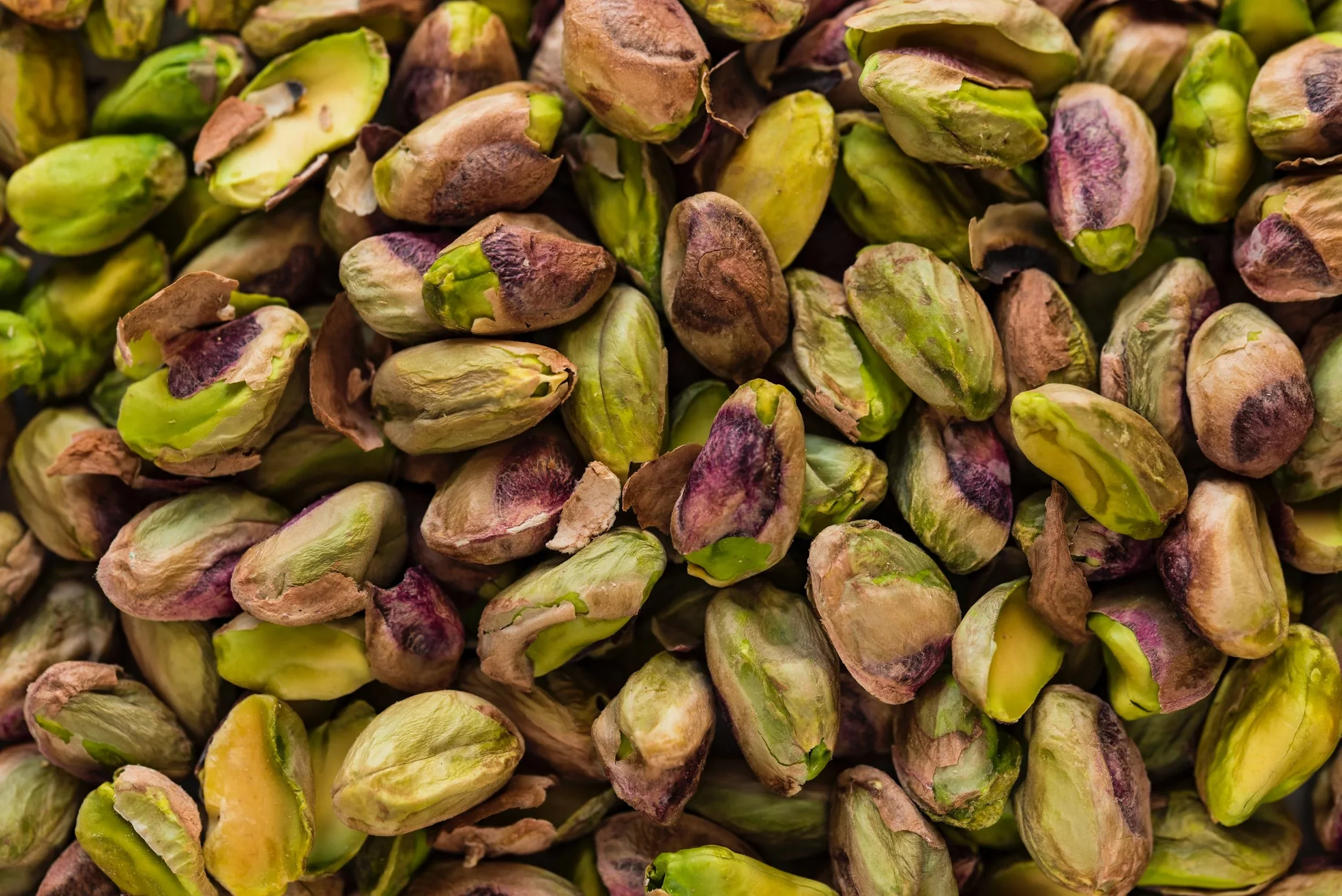
Adding a dose of healthy fat to your bowl helps slow down the absorption rate, supporting blood sugar balance. Fats also satiate, making you feel fuller faster and longer. Try adding healthy fat options to your oats like: nut/seed butters; nuts/seeds; coconut oil/butter/shreds; organic grass-fed ghee; chocolate almond butter; honey cinnamon spread; or cashew cream.
Add Protein.
Protein provides many benefits, including: building and repairing the body; supporting cell replication and regeneration; and even muscle tissue repair. Protein can be found in plant or animal forms. Select the type of protein which best fits your body's needs. A few options for plant-based protein include; hemp hearts; chia seeds; nuts/seeds; or vegan protein powders. If animal protein is more your thing, try organic grass-fed collagen, egg whites (I typically eat eggs in their whole form, however, if you want to add them to oats, the egg whites blend nicely), or salmon for savory oats.
Don't Forget the Tasty Bits!
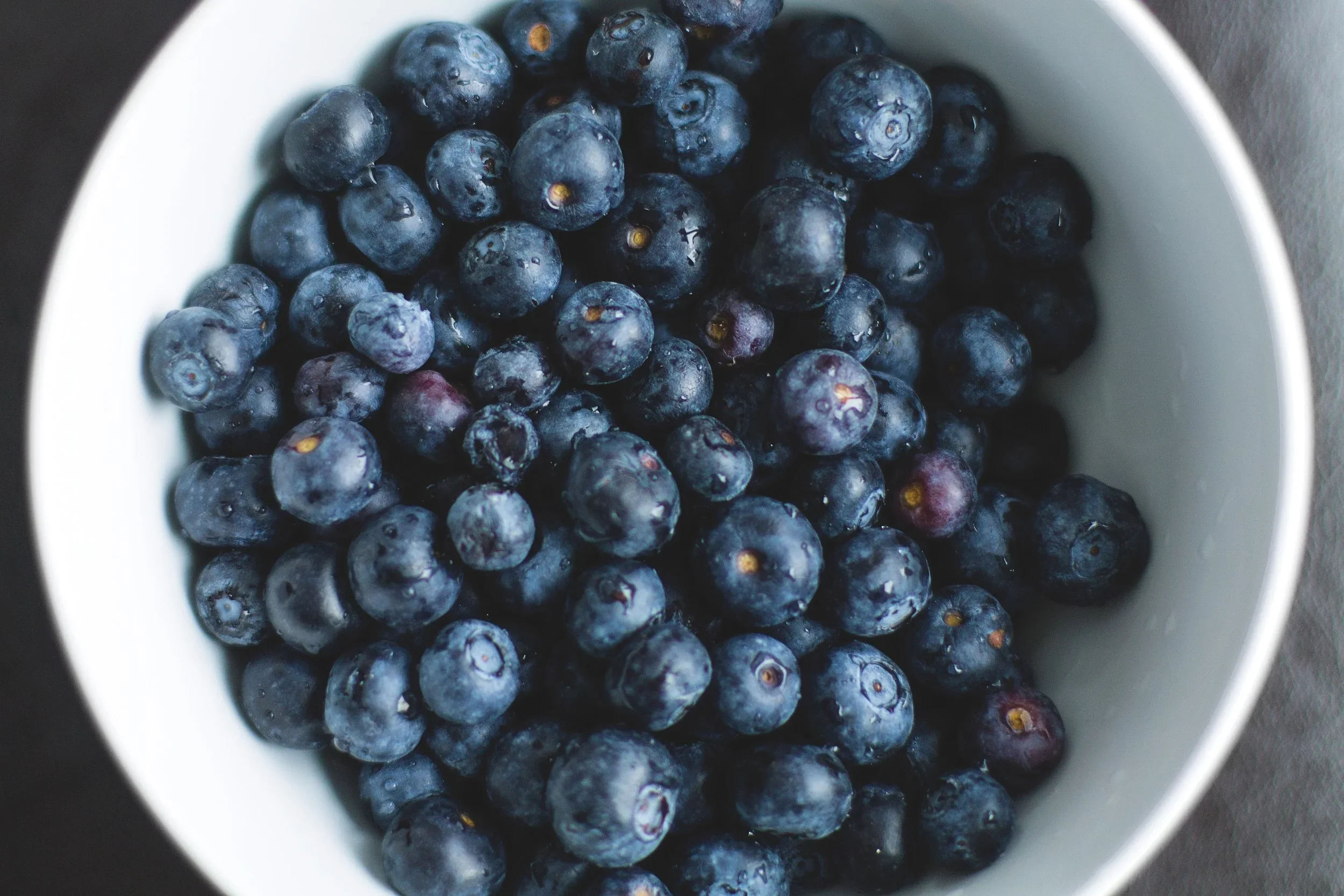
Let's face it, oats on their own aren't the tastiest little buggers. This is why they are often loaded with brown sugar. Better options for adding flavor without adding extra sugar are: vanilla, cacao powder, spices (cinnamon, cardamom, turmeric, ginger, etc.), nut butter, or fruit (fresh or frozen). When you desire more sweetness, try a splash of maple syrup or honey.
Top 'Em Off and Call It Good.
Don't stop now! You've almost made a bowl of oats fit for a Queen (or King, if that's more your thing). Add toppings that catch the eye (to stimulate digestion and happy thoughts), fulfill crunch cravings, or boost flavor. Try toppings like cacao nibs, nuts, seeds, a drizzle of maple syrup, yogurt or kefir, coconut shreds, dried fruit, hemp seeds, energy orbs, or gluten-free granola.
For more inspiration, try one of these Outrageously Good Oatmeal Combinations.